Las Terrenas news · Nature and environment
Humpback whales: how the season works in Samaná Bay

From January to March, humpback whales return to Samaná Bay. Timing, viewing areas and oversight by the Ministry of the Environment, based on the 2026 season.
A visit that returns every winter
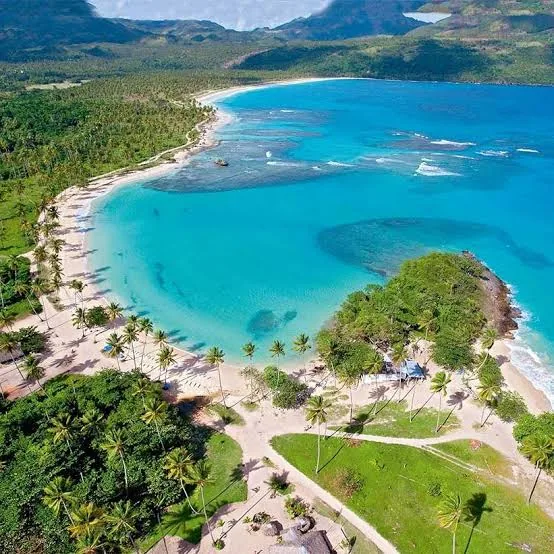
Every year, from January to March, humpback whales come to the waters of the Dominican northeast to mate and give birth, above all in Samaná Bay. According to a feature published by Acento in February 2026, February is the month when they are seen most often. A specialist interviewed by the outlet, Ileana González, estimates that more than 80% of North Atlantic humpback whales pass through Dominican waters each season. She also notes that the species is no longer classified as "endangered", while saying it still needs to be monitored.
With the next season a few weeks away, here is what to know about how it is organised, based on the latest edition.
A season overseen by the Ministry of the Environment
In 2026, the Ministry of the Environment and Natural Resources officially opened the season on 16 January, as reported by Diario Libre and Acento. It covers Samaná Bay and the Banco de La Plata and Banco de La Navidad Marine Mammal Sanctuary. An agreement between public institutions, local authorities, environmental organisations and authorised operators sets the rules: oversight, scientific monitoring and shared responsibility.
For the 2026 season, the ministry announced 46 whale-watching permits, 3 of them for trips leaving from Puerto Plata, managed through a digital system. A sanctuary management committee issues the permits, inspects the boats, trains the captains and writes technical reports at the end of the season. The minister, Paíno Henríquez, described responsible whale watching as a tool for conservation and environmental education.
Three areas, three ways to see the whales
- Samaná Bay is the most popular destination for day trips. The Malecón in Samaná is the main boarding point, and the excursions described by Acento last six to eight hours, often with a stop at Cayo Levantado.
- Banco de La Plata, north of Puerto Plata, is one of the few places where expeditions to swim with the whales are allowed; they require cruises lasting several days.
- Banco de La Navidad, northeast of the peninsula, is a protected area where the whales come to mate and give birth.
In Samaná, the Whale Museum, run by the Centre for the Conservation and Eco-development of Samaná Bay (CEBSE), introduces the species; according to Acento, its admissions have funded whale monitoring since 1999.
A season that brings the peninsula to life
The ministry figures quoted by Acento give a sense of the scale: more than 817,000 visitors came to see the whales in the bay between 2010 and 2025, including about 67,000 in the first quarter of 2025. As N Digital pointed out in November 2026, tourism remains the main economic driver of the province, which Las Terrenas is part of.
For anyone who lives in Las Terrenas or is planning a stay, winter is therefore a lively time, when the peninsula's natural world draws many visitors. The official opening date of the 2027 season will be announced by the Ministry of the Environment, and its announcement is the one to rely on. For anyone thinking of settling in the area, this seasonal rhythm is part of local life, worth experiencing in both winter and summer.
Sources
- Arranca la temporada de ballenas 2026: visita Samaná — Diario Libre (published on January 16, 2026)
- Abren la temporada de avistamiento de ballenas jorobadas — Acento (published on January 16, 2026)
- Samaná, santuario de gigantes: la temporada de ballenas jorobadas en el Caribe dominicano — Acento (published on February 14, 2026)
- Samaná: una provincia de riqueza natural, historia y diversidad cultural — N Digital (published on November 14, 2026)
More news
-
News
Port Samaná: Arroyo Barril cruise terminal set to open on 24 November
The new cruise terminal at Arroyo Barril is due to receive its first ship on 24 November. What has been announced, and what it may change for the peninsula and Las Terrenas.
-
News
November rains put Las Terrenas street drainage back in the spotlight
In early November, heavy downpours flooded several streets in Las Terrenas and slowed traffic. The local press reports growing concern among residents and shopkeepers about the storm drainage network.